Speech Pathology Services
Comprehensive speech pathology services including assessment, therapy and reports for children and adults.
Speech & Language Assessments
Understanding Communication Strengths and Needs
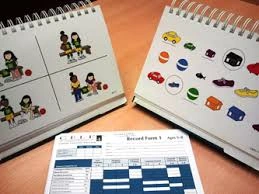
Speech and language assessments provide a comprehensive understanding of an individual's communication skills. Whether there are concerns about speech, language, literacy, social communication or overall communication development, an assessment helps identify strengths, areas requiring support and the most appropriate recommendations moving forward.
At Nurtured Speech Solutions, assessments are tailored to each individual's age, communication needs and reason for referral. We take the time to understand the whole person, recognising that effective communication supports participation at home, school, work and within the community.
Gippsland Paediatric Assessment Appointments
Comprehensive speech, language and functional communication assessments are available for children and adolescents across the Latrobe Valley and surrounding Gippsland areas.
Appointments are generally available within two weeks of referral. Visiting appointments are arranged according to location and assessment requirements, with telehealth available where clinically appropriate.
Families may enquire directly, and referrals are welcomed from paediatricians, psychologists, GPs, schools and other professionals.
What an Assessment May Include
Every assessment is individualised and may include:
Speech sound development
Receptive (understanding) language skills
Expressive (spoken) language skills
Social communication skills
Functional communication
Literacy-related language skills where appropriate
Clinical observations and informal assessment
Standardised assessments where appropriate
Parent, caregiver, teacher or support person questionnaires and interviews
Review of relevant reports and background information
Assessment components are selected according to the individual's presentation, goals and areas of concern.
Who May Benefit?
Speech and language assessments may be appropriate for children, adolescents and adults who:
Are difficult to understand
Have delayed speech or language development
Experience difficulty following instructions or understanding language
Have difficulty expressing their thoughts and ideas
Experience literacy or learning concerns
Have social communication differences
Require assessment to guide therapy planning
Need reports to support educational planning or funding applications
Following the Assessment
Following the assessment, you'll receive clear feedback explaining the findings in a way that is easy to understand.
Recommendations may include:
Individualised therapy goals
Practical strategies for home, school or everyday life
Recommendations for further assessment where appropriate
Collaboration with educators and other professionals
A written report if required
Reports can support communication with schools, healthcare professionals and funding organisations where appropriate.
Our Approach
At Nurtured Speech Solutions, assessment is more than identifying challenges. We aim to understand each person's communication profile, recognise their strengths and provide practical recommendations that support meaningful participation in everyday life.
Every assessment is conducted in a respectful, collaborative and evidence-based manner, ensuring recommendations are tailored to the individual's goals and circumstances.
Literacy Assessments
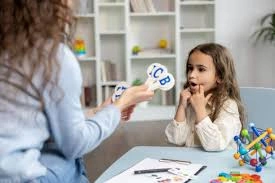
Comprehensive literacy assessments to identify reading, spelling, writing and language strengths and challenges, with practical recommendations to support learning and academic success.
Understanding Literacy Difficulties
Literacy skills are essential for success at school and in everyday life. When children experience difficulty learning to read, spell or write, early assessment can help identify the underlying challenges and guide effective intervention.
At Nurtured Speech Solutions, literacy assessments are tailored to each child's age, learning needs and concerns. Assessments consider both literacy and the underlying language skills that support reading and written language development.
What a Literacy Assessment May Include
A literacy assessment may include assessment of:
Reading accuracy and fluency
Reading comprehension
Spelling
Written expression
Phonological awareness
Vocabulary
Receptive and expressive language
Narrative and language organisation
Classroom learning skills relevant to literacy
Assessment components are individualised and selected according to each person's needs.
Who May Benefit?
A literacy assessment may be appropriate for children who:
Are struggling to learn to read or spell
Find reading slow, difficult or frustrating
Have difficulty understanding what they read
Avoid reading or writing tasks
Experience ongoing literacy concerns despite classroom support
Have speech or language difficulties affecting literacy development
Require further information to guide intervention or educational planning
Following the Assessment
Following the assessment, you'll receive:
A discussion of the assessment findings
Individualised recommendations
Practical strategies for home and school
Recommendations for therapy where appropriate
A written report if required
Reports can be used to support communication with schools and other professionals involved in your child's education.
If you're concerned about your child's reading, spelling or writing skills, a comprehensive literacy assessment can help identify their strengths, clarify the underlying causes of their difficulties and guide the most appropriate support.
Autism & Communication Assessments
Understanding Social Communication & Functional Communication
Some children experience differences in how they communicate, interact with others and participate in everyday activities. An assessment can help identify communication strengths, support needs and recommendations to guide intervention, educational planning or further assessment.
At Nurtured Speech Solutions, assessments focus on communication rather than diagnosing autism. We evaluate speech, language, social communication and functional communication skills to better understand how communication differences impact everyday life.
What an Assessment May Include
Assessment is tailored to the individual's needs and may include:
Receptive and expressive language assessment
Social communication assessment
Functional communication assessment
Play and interaction observations (where appropriate)
Communication across everyday environments
Parent, caregiver and teacher interviews or questionnaires
Standardised assessments and clinical observations
Review of previous reports and relevant background information
Assessment components are selected according to the individual's presentation, age and reason for referral.
Who May Benefit?
An assessment may be appropriate for individuals who:
Experience challenges with social communication or interaction
Have difficulty understanding social situations or non-verbal communication
Find it difficult to initiate or maintain conversations
Experience differences in play, friendships or peer interactions
Require communication evidence to support educational planning or funding applications
Are seeking a better understanding of their communication profile
Reports & Recommendations
Following the assessment, you'll receive clear feedback outlining communication strengths, areas of need and practical recommendations.
Where appropriate, reports may include:
Functional communication recommendations
Therapy recommendations
Strategies for home, education and community settings
Recommendations for further assessment or referral to other health professionals when appropriate
Comprehensive reports to support NDIS evidence, educational planning or multidisciplinary assessment processes
Important Information
Nurtured Speech Solutions does not provide autism diagnoses.
Speech pathology assessment forms one important part of a multidisciplinary assessment process by evaluating communication, language and functional communication skills. Where appropriate, recommendations may be made for further assessment by other suitably qualified professionals.

Speech Sound Therapy
Helping Children Communicate Clearly
Speech sound therapy supports children who have difficulty producing speech sounds correctly or being understood by others. Some children may substitute, omit or distort sounds, while others may have more complex speech sound disorders that affect their ability to communicate effectively.
At Nurtured Speech Solutions, therapy is individualised, evidence-based and tailored to each child's communication needs. We work closely with families to develop practical skills that improve speech clarity, confidence and participation in everyday life.
Therapy May Support Children Who:
Speech sound therapy may benefit children who:
Are difficult for others to understand
Substitute one sound for another (e.g. "tat" for "cat")
Leave sounds out of words
Have difficulty producing particular speech sounds
Continue to use speech patterns that are no longer age appropriate
Have Childhood Apraxia of Speech (CAS)
Experience speech difficulties associated with other developmental conditions
Every child is different, so assessment helps determine the most appropriate therapy approach.
Therapy May Include
Therapy is tailored to each individual's goals and may include:
Speech sound assessment and goal setting
Articulation therapy
Phonological intervention
Childhood Apraxia of Speech (CAS) intervention
Motor speech therapy
Home practice activities
Parent education and coaching
Collaboration with educators and other professionals where appropriate
Evidence-based therapy approaches are selected according to each child's needs, age and speech profile.
What to Expect
Speech therapy focuses on developing accurate speech sounds, improving intelligibility and increasing confidence in everyday communication.
Families receive practical strategies and home practice activities to support progress between therapy sessions. Regular review ensures therapy goals remain meaningful and responsive to each child's development.
Why Early Intervention Matters
Early identification and intervention can help children develop clearer speech, improve communication with others and support participation at home, kindergarten, school and within the community.
Children of all ages can benefit from speech therapy, and intervention is tailored to their individual strengths, needs and goals.

Language Therapy
Building Communication Skills for Everyday Life
Language therapy supports children and young people who have difficulty understanding language, expressing their thoughts, learning new vocabulary or communicating effectively with others. Strong language skills are essential for learning, building relationships and participating confidently at home, school and in the community.
At Nurtured Speech Solutions, language therapy is personalised, evidence-based and designed to help each individual develop functional communication skills that support success in everyday life.
Language Therapy May Support Children Who:
Language therapy may benefit children who:
Have difficulty understanding spoken language or following instructions
Use shorter or less complex sentences than expected for their age
Have difficulty learning and using new vocabulary
Find it difficult to answer questions or express their ideas
Experience challenges with storytelling or explaining events
Have difficulty understanding concepts such as time, location or sequence
Experience language difficulties associated with developmental or neurological conditions
Assessment helps identify each child's strengths and areas requiring support so therapy can be tailored to their individual needs.
Therapy May Include
Language therapy is individualised and may include:
Developing receptive (understanding) language skills
Developing expressive (spoken) language skills
Building vocabulary and word knowledge
Improving sentence structure and grammar
Developing storytelling and narrative skills
Following directions and understanding concepts
Conversation and everyday communication skills
Parent education and home practice strategies
Collaboration with educators and other professionals where appropriate
Therapy activities are engaging, meaningful and matched to each individual's age, interests and communication goals.
What to Expect
Language therapy focuses on building practical communication skills that can be used across everyday environments. Sessions are interactive, goal-focused and designed to support participation at home, kindergarten, school and within the community.
Families receive practical strategies to encourage communication development outside of therapy, helping children practise new skills in everyday situations.
Supporting Lifelong Communication
Strong language skills form the foundation for learning, literacy, social relationships and independence. Early identification and intervention can help children develop the communication skills they need to participate confidently in everyday life and reach their full potential.
Literacy & School-Aged Language Therapy
Supporting Literacy and Language for Learning
Strong literacy and language skills are essential for success at school and in everyday life. Difficulties with reading, spelling, writing or language can affect confidence, learning and participation across many areas of education.
At Nurtured Speech Solutions, therapy is individualised and evidence-based, helping children develop the literacy and language skills they need to become confident learners and communicators.
Who May Benefit?
Literacy and school-aged language therapy may benefit children who:
Experience difficulty learning to read or spell
Have challenges with reading comprehension
Find written language tasks difficult
Have difficulty learning new vocabulary
Struggle to understand or follow classroom instructions
Experience difficulty organising their ideas for speaking or writing
Have language difficulties affecting their learning
Would benefit from additional support alongside school-based learning
Therapy is tailored to each child's strengths, goals and learning needs.
Therapy May Include
Intervention may focus on:
Reading accuracy and fluency
Reading comprehension
Spelling development
Written expression
Phonological awareness
Vocabulary development
Grammar and sentence structure
Narrative and storytelling skills
Listening comprehension
Classroom language skills
Study and organisational language strategies where appropriate
Activities are practical, engaging and designed to support success both within and beyond the classroom.
What to Expect
Therapy focuses on developing functional literacy and language skills that can be applied in everyday learning. Sessions are goal-focused, engaging and tailored to each child's age, interests and educational needs.
Families receive practical strategies to support learning at home, and where appropriate, collaboration with schools and educators helps promote consistent support across learning environments.
Supporting Success Beyond the Classroom
Developing strong literacy and language skills helps children become confident communicators, successful learners and active participants in everyday life.
At Nurtured Speech Solutions, we believe every child deserves the opportunity to achieve their full potential. Through personalised, evidence-based therapy and collaborative partnerships with families and educators, we support children to build the communication, literacy and learning skills they need to participate confidently at school, at home and within their community.
Social Communication Support
Supporting Meaningful Communication and Everyday Participation
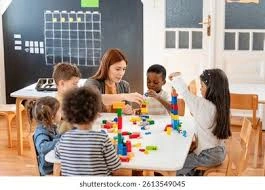
Every autistic person communicates in their own unique way. Social communication support focuses on developing practical communication skills that help individuals participate confidently in the environments that are important to them, while respecting their individual strengths, preferences and communication style.
At Nurtured Speech Solutions, we provide neurodiversity-affirming, person-centred support that recognises there is no single "right" way to communicate. Therapy is collaborative, strengths-based and tailored to each individual's goals and everyday experiences.
Who May Benefit?
Autism and social communication support may benefit individuals who:
Experience challenges initiating or maintaining conversations
Find it difficult to understand social situations or perspectives
Have difficulty interpreting non-verbal communication
Experience challenges developing friendships or participating in group activities
Would like support understanding expected communication in different environments
Would benefit from developing self-advocacy and communication confidence
Are working towards individual communication goals identified by themselves, their family or support team
Every therapy program is individualised to reflect each person's strengths, interests and priorities.
Therapy May Include
Support may focus on:
Social communication skills
Conversation and interaction skills
Understanding different communication styles
Building and maintaining relationships
Self-advocacy and self-expression
Emotional understanding and perspective taking
Problem-solving and flexible thinking
Play and peer interaction (where appropriate)
Communication across home, school and community environments
Parent, caregiver and educator coaching
Therapy goals are developed collaboratively and are meaningful to the individual's everyday life.
What to Expect
Sessions are engaging, practical and designed to support communication in real-life situations. Therapy may involve discussion, games, role-play, visual supports and everyday activities that align with each person's interests and goals.
Families and support networks are encouraged to be involved where appropriate, helping to build communication opportunities beyond the therapy room.
Celebrating Individual Strengths
At Nurtured Speech Solutions, we recognise and celebrate neurodiversity. Our goal is not to change who someone is, but to support them in developing the communication skills, confidence and strategies that help them participate in the ways that are meaningful to them.
Through respectful, evidence-based and person-centred support, we work alongside individuals, families and support teams to foster confidence, connection and successful participation at home, school, work and within the community.
Early Childhood Communication
Supporting Strong Foundations for Communication
The early years are an important time for developing speech, language and communication skills. Children develop at different rates, but when there are concerns about communication, early support can make a meaningful difference to everyday interactions, learning and participation.
At Nurtured Speech Solutions, we provide family-centred, play-based therapy that supports young children to develop communication skills in ways that are engaging, meaningful and appropriate for their stage of development.
Early childhood communication support often combines speech, language, play and social communication goals within a single therapy program, recognising that these skills develop together during the early years.
Who May Benefit?
Early childhood communication support may benefit children who:
Are late to start talking
Use fewer words or shorter sentences than expected for their age
Have difficulty understanding spoken language or following simple instructions
Find it difficult to communicate their wants, needs or ideas
Experience challenges with play, interaction or early social communication
Have unclear speech that is difficult for familiar or unfamiliar people to understand
Would benefit from support to prepare for kindergarten or school
Every child develops differently, and assessment helps determine the most appropriate support for their individual needs.
Therapy May Include
Therapy is individualised and may include:
Early language development
Play-based communication activities
Vocabulary development
Understanding and following instructions
Speech sound development
Early social communication and interaction
Parent coaching and home strategies
Collaboration with early childhood educators and other professionals where appropriate
Sessions are designed to be engaging, interactive and centred around each child's interests and strengths.
What to Expect
Therapy focuses on building communication skills through meaningful play and everyday routines. Families are actively involved throughout the therapy process and receive practical strategies to help support communication development at home.
Working together with families and educators helps children practise their communication skills across the environments where they learn and grow.
Building Strong Foundations Together
At Nurtured Speech Solutions, we believe every child deserves the opportunity to communicate with confidence. By supporting communication during the early years, we help children develop the skills they need to build relationships, participate in learning and engage more confidently in everyday life.
Our goal is to work alongside families to create positive, enjoyable communication experiences that foster confidence, independence and lifelong learning.
Adult Swallowing Assessments (Dysphagia)
Supporting Safe and Enjoyable Eating and Drinking
Swallowing difficulties (dysphagia) can affect a person's ability to eat, drink and take medication safely. They may also increase the risk of dehydration, malnutrition, chest infections and reduced quality of life.
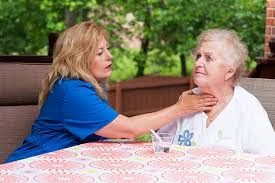
At Nurtured Speech Solutions, we provide comprehensive clinical swallowing assessments for adults experiencing swallowing difficulties. Our goal is to identify swallowing concerns, reduce potential risks and provide practical recommendations that support safe, comfortable and enjoyable mealtimes.
Who May Benefit?
A swallowing assessment may be appropriate for adults who:
Cough or choke during meals or when drinking
Experience difficulty swallowing food, fluids or medication
Feel food becomes stuck in the throat or chest
Have frequent throat clearing during meals
Experience recurrent chest infections or aspiration concerns
Have unexplained weight loss or reduced food and fluid intake
Have swallowing changes following stroke, neurological conditions, surgery or illness
Require review of swallowing recommendations or mealtime support strategies
What the Assessment May Include
Every assessment is tailored to the individual's needs and may include:
Review of medical and swallowing history
Discussion with the individual, family members or carers where appropriate
Clinical observation of eating and drinking during a typical mealtime
Assessment of swallowing function across appropriate food and fluid consistencies
Assessment of communication and cognitive factors that may impact swallowing
Identification of swallowing strengths and areas of concern
Education regarding safe swallowing strategies
Where appropriate, an oral mechanism examination may also be completed if it is considered relevant to the individual's swallowing presentation.
Following the Assessment
Following the assessment, you'll receive clear feedback and practical recommendations that may include:
Safe swallowing and mealtime strategies
Recommendations regarding food and fluid textures using the International Dysphagia Diet Standardisation Initiative (IDDSI) Framework where appropriate
Positioning and environmental recommendations
Carer and family education
Recommendations for ongoing monitoring or therapy where appropriate
Referral for instrumental swallowing assessment (such as a Videofluoroscopic Swallow Study or FEES) if further investigation is clinically indicated
A written report if requested or clinically required
Recommendations are individualised and designed to support safety while maintaining quality of life wherever possible.
Working Together
Swallowing management often involves collaboration with GPs, hospitals, dietitians, nurses, occupational therapists, physiotherapists, Support at Home providers and residential aged care staff.
With your consent, Nurtured Speech Solutions can communicate with other members of your healthcare team to support coordinated, person-centred care.
Supporting Safe Mealtimes
At Nurtured Speech Solutions, we understand that eating and drinking are important social and everyday activities. Our aim is to provide compassionate, evidence-based swallowing assessment and practical recommendations that support safety, dignity and quality of life while helping individuals continue to enjoy mealtimes as much as possible.

Adult Communication Support
Supporting Communication for Everyday Life
Communication changes can occur following stroke, neurological conditions, brain injury or other medical conditions, affecting a person's ability to express themselves, understand others, read, write or participate in everyday conversations.
At Nurtured Speech Solutions, we provide personalised, evidence-based assessment and therapy to help adults maintain, regain or strengthen their communication skills. Therapy is tailored to each individual's goals, helping them participate more confidently in everyday life.
Who May Benefit?
Adult communication support may benefit people who experience:
Difficulty finding the right words
Changes to speech clarity or intelligibility
Difficulty understanding spoken or written language
Challenges expressing thoughts and ideas
Changes to reading or writing skills
Cognitive-communication difficulties affecting memory, attention or problem-solving
Communication changes following stroke, brain injury or neurological conditions
Reduced confidence communicating in everyday situations
Every assessment and therapy program is individualised according to the person's communication needs and goals.
Therapy May Include
Support may include:
Comprehensive communication assessment
Individualised communication therapy
Word-finding and language intervention
Speech clarity and intelligibility strategies
Cognitive-communication support
Reading and writing support
Functional communication strategies for everyday situations
Communication partner education and training
Collaboration with family members, carers and other healthcare professionals
Therapy focuses on practical communication skills that are meaningful to the individual's daily life and personal goals.
What to Expect
Therapy is personalised, goal-focused and designed to support communication in real-life situations. Sessions may involve structured therapy activities, functional communication practice and strategies that can be applied at home and within the community.
Where appropriate, family members and carers are encouraged to participate in therapy to help support communication across everyday environments.
Supporting Meaningful Communication
At Nurtured Speech Solutions, we understand that communication is fundamental to maintaining relationships, independence and quality of life. Our goal is to provide compassionate, evidence-based support that helps adults communicate with greater confidence, participate in everyday activities and remain connected with the people and communities that matter most to them.